A Valorant spoofer changes your hardware ID so a HWID ban no longer matches your PC and you can log back into Valorant in about two minutes
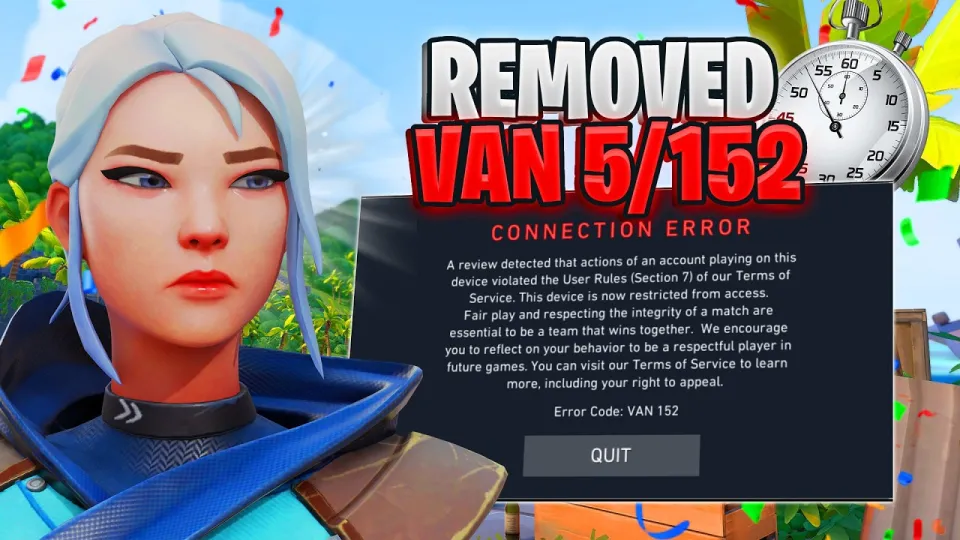
Video: This Valorant HWID Spoofer Actually Works… Full Showcase (Valorant Spoofer)
· based on the channel medi__posh
A Valorant spoofer is a tool that rewrites the hardware identifiers Vanguard uses to fingerprint a PC, so a HWID (hardware ID) ban no longer matches the machine and the game can be launched again. The most direct route advertised for this is the SWR Solution loader at swrsolution.xyz, which the showcase by channel medi__posh presents as a two-minute install-and-spoof process. It does not restore the banned account — it changes how the computer identifies itself so a fresh account can run on the same hardware.
What a Valorant HWID ban actually blocks
A HWID ban is a ban applied to the physical machine rather than to a single account, which is why logging into a new Riot account on the same PC still ends in a block. Vanguard, Riot's kernel-level anti-cheat, collects a spread of identifiers during a session: serial numbers of storage drives, the SMBIOS and motherboard strings, the machine GUID, network adapter MAC addresses, volume IDs and various registry and system fingerprints. When an account is banned for cheating, those values are tied to the ban record.
That is the gap a spoofer targets. Instead of touching the ban itself, it presents different values for the same hardware, so the server sees a machine it has never flagged. Two consequences follow, and both matter:
- The original account stays banned permanently. Spoofing is not an unban service, and no legitimate tool can reverse a Riot ban.
- Only the hardware fingerprint changes. The player still needs a separate account that is in good standing to get back into a match.
Anyone searching for a "valorant hwid changer" or a "vanguard bypass" is really looking for this identity swap, not for account recovery.
How the spoofing process runs in the showcase
The medi__posh video structures the demonstration as a linear walkthrough: installation of the loader, configuration of the spoof options, running the spoof itself, and then launching Valorant. The whole sequence is framed as roughly two minutes of work, which matches the marketing copy on the product page ("easy 2-minute setup", "fully updated for 2026", "compatible with all Windows versions").
In practice, tools of this type follow the same pattern regardless of branding:
- Download the loader from the vendor site and run it with administrator rights, since changing SMBIOS and disk serial data requires kernel-level access.
- Select which identifiers to spoof — typically disk serials, SMBIOS/motherboard, MAC address and the machine GUID — or use a preset that covers all of them.
- Apply the changes, which usually forces a reboot so the new values are written and loaded at startup.
- Launch Valorant and sign in with a clean account to confirm the machine is no longer associated with the ban.
The video's timestamps mirror exactly these four stages, with the launch step closing the loop.
What the loader claims to offer and what it costs
The product page and the video description list the selling points: instant HWID spoofing, bypass of Valorant hardware bans, a fast loader, support for all Windows versions, and 24/7 help through a Discord server (invite `swrsolutionv3`). The phrase "perm hwid spoofer" appears in the tag set, meaning the change is meant to persist across reboots rather than reset when Windows restarts.
Pricing is not shown in the description, and that is worth flagging: spoofers in this category are almost always paid subscriptions, often with a per-machine licence and a separate fee for updates after a Vanguard patch. A "free hwid spoofer" circulating on forums or YouTube comments is a common malware delivery vector, and loaders that ask you to disable Windows Defender before running are a red flag rather than a feature.
The technical risks of running a spoofer alongside Vanguard
Vanguard runs at the kernel level and is designed specifically to detect tampering with the hardware layer, so a spoofer sits in direct conflict with it. Three practical risks come with that:
- Detection and re-flagging. Riot updates Vanguard continuously; a spoofer that works on one patch can be fingerprinted on the next, and a machine caught spoofing can be banned again — this time with the new account attached to it.
- Driver and system instability. Editing SMBIOS strings and disk serials can break Windows activation, RAID configurations, or vendor software that reads those values, and a failed write can leave a system unbootable.
- Malware exposure. Loaders require administrator and kernel access, which is precisely the privilege a malicious build needs. Running an unknown executable at that level hands over the machine.
None of this makes spoofing technically impossible — it makes it a moving target with a real cost, which is why the same tools tend to be re-sold every time the anti-cheat updates.
Why players look for a Valorant spoofer in the first place
The demand comes from the structure of Riot's enforcement: a cheating ban is not just an account loss, it is a hardware loss, and a legitimate player who shared a PC with a banned sibling or bought a used machine can end up locked out through no fault of their own. For that group, a hardware ID change looks like the only route back into the game.
For players banned for actual cheating, the calculus is different: the ban is working as intended, and a spoofer only buys time until the next detection wave. Either way, the honest framing is that a spoofer is a workaround for the hardware lock, not a fix for the ban — and the account, the rank and the skins tied to it are gone regardless.
Links from the video
- SWR Solution product page and loader: https://swrsolution.xyz/s/1a2841b5
- Discord support server: https://discord.com/invite/swrsolutionv3
Bottom line on the Valorant spoofer showcase
The medi__posh breakdown shows a working-looking HWID spoofer in a clean four-step flow — install, configure, spoof, launch — with a claimed two-minute setup and persistent hardware changes. What it demonstrates is an identity swap for the machine, not an unban: the original account stays banned and a clean one is required. Anyone considering it should weigh the recurring cost, the risk of Vanguard re-detection after each patch, and the malware exposure that comes with running an unknown kernel-level loader. The tool itself is distributed through the SWR Solution page, where current pricing and setup instructions are listed.
Key takeaways
- An HWID spoofer replaces the hardware identifiers (disk serials, SMBIOS/motherboard data, MAC addresses, volume IDs) that Vanguard links to a banned account.
- The showcase by channel medi__posh walks through installation, configuration, the spoofing process and launching Valorant in roughly two minutes of steps.
- The tool is distributed through swrsolution.xyz and a Discord server (invite swrsolutionv3) that advertises 24/7 support and 2026 updates.
- Spoofing does not unban an account: it only makes the same PC look like different hardware, so a new account is needed to play again.
- Paid spoofers carry real risks: malware in loaders, driver conflicts, and Riot re-detecting or re-flagging the machine later.
Questions & answers
Does a Valorant spoofer unban my account?
No. A spoofer only changes the hardware identifiers Vanguard associates with the ban, so the machine looks new. The banned account remains permanently banned, and you need a separate account in good standing to play again.
What hardware identifiers does a HWID spoofer change?
Typical targets are storage drive serial numbers, SMBIOS and motherboard strings, the Windows machine GUID, network adapter MAC addresses and volume IDs. These are the values Vanguard collects to fingerprint a PC, and changing them requires administrator and kernel-level access.
How long does the setup take?
The medi__posh showcase presents the process as roughly two minutes: install the loader, choose the identifiers to spoof, apply the changes with a reboot, then launch Valorant. Real time depends on how many identifiers are spoofed and how the system reacts to the changes.
Is using a Valorant spoofer safe?
There is no guarantee. Vanguard is updated continuously and can detect or re-flag a spoofed machine on a later patch, and editing SMBIOS or disk serials can break Windows activation or vendor software. Loaders also run with kernel privileges, which is exactly the access malware needs, so unknown builds are a serious risk.
Source: This Valorant HWID Spoofer Actually Works… Full Showcase (Valorant Spoofer) · Markdown version